Possible points for the Element: 50 points.
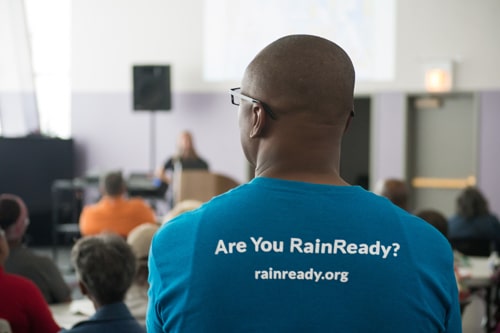
Purpose of the Element: The CRS program provides communities with extra credit for recruiting groups that are not part of the local government to conduct outreach on CRS-approved messages. Any local organization can be invited to deliver messages to the community. Non-profit organizations like The Nature Conservancy, local university faculty, and state chapters of the Association of State Floodplain Managers are critical resources for communities as they have expertise in a variety of the CRS program’s priority topics, like the natural and beneficial functions of floodplains, flood insurance, and flood risk reduction. See pages 330-22 - 330-25 of the CRS Coordinator’s Manual for more details.
Impact Adjustment: None.
Potential to Double Count Credit: None, this credit is a percentage increase of the credit received for Outreach Projects. Specifically, credit for STK is calculated by multiplying the score for element 332.a. Outreach Projects by 30%.
Degree of Difficulty - Documentation: Low. Credit is based on the community’s score for CRS element 332.a. Outreach Projects and does not require communities to collect any additional documentation. Communities must simply indicate on their documentation for element 332.a., which projects were delivered by stakeholders.
Degree of Difficulty - Implementation: Medium. To earn credit for this element, communities must have a Program for Public Information (PPI) in place (credited under CRS element 332.c.). This PPI will take time and effort to create. That said, once the community has its PPI in place, implementation of this CRS element is fairly simple. The primary task that communities must take-on in order to receive credit for this element is to find stakeholders that are willing to partner with the community and present on their behalf.
Tips for Success:
- If your community does not have a Program for Public Information in place, consider partnering with neighboring communities to reduce the effort associated with creating one. For reference, check out the Lee County Multijurisdictional Program for Public Information.
- Stakeholder organizations that are invited to deliver messages to the community should be engaged locally and have a good reputation amongst community members.
Co-Benefits Associated with this Element: Recognizing the natural and beneficial functions of floodplains is not easy. Inviting organizations like The Nature Conservancy, the Sierra Club, or local hunting and fishing groups to present on this topic can help improve and reinforce residents’ understanding of the benefits of preserving these area.