Possible Points: 200 point for the element.
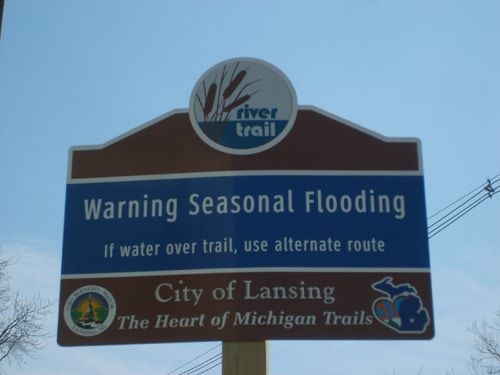
Purpose of Element: This element rewards communities that communicate messages about flooding in outreach projects throughout the year. The CRS program defines messages as "specific statements or directions that the community considers important for its audiences," these audiences include businesses, residents, and others. In order to obtain credit, these messages must be disseminated one or more times per year though one or more projects.
The CRS program provides credit for messages that relate to six priority topics:
- know your flood hazard,
- insure your property for your flood hazard,
- protect people from the hazard,
- protect your property from the hazard,
- build responsibly, and
- protect natural floodplain functions.
Credit for each outreach project is calculated based on project type (informational materials, general outreach, or targeted outreach), the number of messages addressed by the project, and the number of times the project is delivered each year. For more information see pages 330-6 - 330-9 of the CRS Coordinator’s Manual.
Impact Adjustment: None.
Potential to Double Count Credit: None. That said, if an external partner like a non-profit organization (i.e. a state chapter of the Association of State Floodplain Managers, The Nature Conservancy, American Rivers, etc.) or a university, conducts outreach related to one of the community’s priority messages, bonus points can be earned under element 322.d. Stakeholder Delivery.
Degree of Difficulty - Documentation: Low. In order to obtain credit for this element, the community must proceed as usual with its regular outreach activities and simply provide their ISO/CRS Specialist with copies of any documents that are distributed and proof that presentations were given. An example of what this documentation should look like can be found in the CRS Coordinator’s Manual.
Degree of Difficulty - Implementation: Low. Outreach activities credited under this element range from giving in-person presentations to sending mailings or brochures to homeowners in the Special Flood Hazard Area. As a result, most communities can conduct some kind of creditable outreach.
Helpful Tools and Resources:
1. Climate Central's Surging Seas CRS Guide
2. FEMA's Success with CRS "Heightened Awareness & Outreach" Case Studies
3. FEMA's Outreach Projects Credit Calculation Worksheet (excel)
Tips for Success:
- Use FEMA brochures and other publications on flood insurance to earn credit for this element.
- Communities can earn credit for disseminating the same outreach materials or giving the same presentation multiple times each year. Take advantage of this opportunity, especially if your community does not have a lot of outreach materials on hand (FEMA, 2014).
- Targeted outreach is worth more credit than general outreach. Resource constrained communities should focus their efforts on reaching specific audiences to maximize their credit for this element.
Co-Benefits Associated with this Element: The co-benefits associated with this element include increased awareness of flood hazards within the community as well as the benefits provided by floodplains when they are allowed to function naturally. In addition, because all messages communicated through outreach projects must be action-oriented, outreach projects may help to empower citizens to make their properties more resilient to flooding voluntarily. Taken together, this may help the community as a whole to become more educated and resilient.